
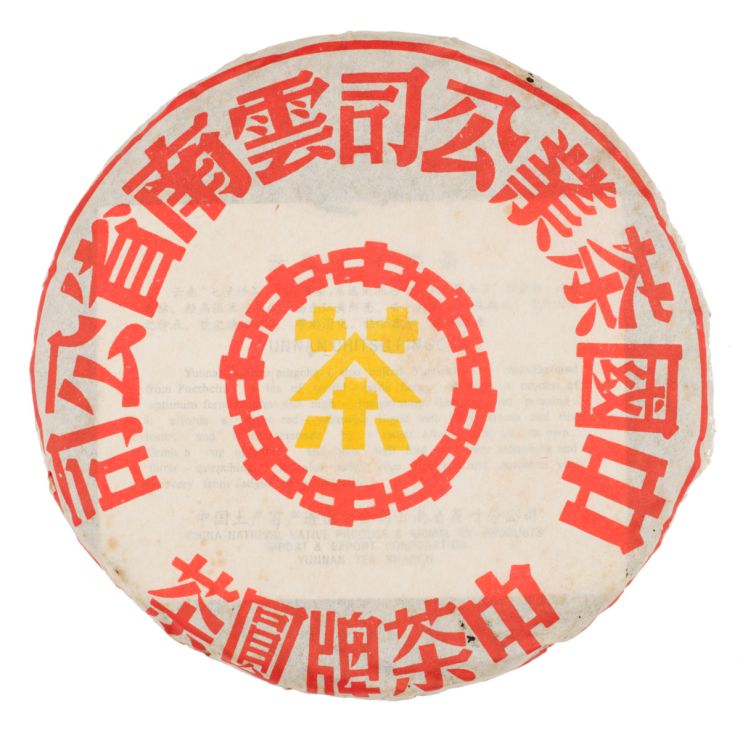
Langhe 2005 Da Huang Yin (Sheng pu'er)
Valtiollisen pu'er-tuotannon tyylillä paketoitu sheng pu'er. Paperin tyyli ns. Suuri Keltainen Merkki. Teen on tuottanut Menghain alueen teentuottaja Langhe. Kuivan teen tuoksu on suolaisen öljyinen, hieman tervainen ja havupuinen. Tuoksu maljassa on havuisen resiininen ja puu-ullakkoinen. Maku on suolainen, tervainen, kuivan ja rouhean puinen sekä havuinen.
Details
Yleistä
Shu pu'er on pu'er-teen toinen päätyyppi luontaisesti iätetyn sheng pu'erin rinnalla. Shu pu'erin tuotantoprosessi keksittiin 1970-luvulla kun haluttiin luoda teelaatu, joka imitoisi luontaisesti ikääntyneen sheng pu'erin makua lyhyemmässä ajassa. Ennen lehtien painamista kakuiksi, ne levitellään tehtaan lattialle suuriin kekoihin, joita kastellaan ja peitellään kankailla. Tämä kekoamisvaihe kiihdyttää lehdissä tapahtuvia biokemiallisia ja mikrobiologisia muutoksia ja lehdet käytännössä kompostoituvat. Kekoamisvaihe voi kestää useista viikoista kuukausiin. Shu pu'eria on saatavilla moniin eri muotoihin puristettuna sekä myös irtolehtisenä.
Tämä tee
Tämä 2005 vuoden sheng pu'er on Menghain alueen teetehtaan Langhen käsialaa. Tehdas perustettiin vuonna 1995 ja se on melko kookas teentuottaja. Langhe tunnetaan parhaiten shu pu'er -teelaaduistaan, joiden erityispiirteenä on hieman kevyempi fermentaatio, mikä antaa teelle pitkän kiinteän jälkimaun. Tämä 2005 vuoden tee on kuitenkin sheng pu'eria. Se on tuotettu valtiollisen ajan tyylisillä papereilla. Papereiden tyyli on Da Huang Yin eli Suuri Keltainen Merkki mikä viittaa tulostuksen keskellä olevaan keltaiseen Cha eli Tee -merkkiin. Kokonaisen kakun paino on 357g. Tee on tehtaan tuotantoa ajalta jolloin se vielä tuotti valtiollisen ajan tyylisiä julkaisuja ennen kuin se siirtyi kokonaan oman brändinsä käyttämiseen kakkujen paketointiin. Tällaiset julkaisut ovat hiljalleen harvinaistumassa ja sen takia ne ovat kiinnostavia. Kakun lehtimateriaali on keskikokoista mikä antaa vaikutelman että kyse on eri materiaaleista sekoitetusta reseptistä ja tee on plantaasiteetä. Tämä antaa teelle isojen vanhempien teetehtaiden tyyliä. Maun tasapaino on hieman kuivahko muttei kuitenkaan liian kuiva. Se on kehittynyt melko hyvin mutta siinä ei ole liiallisen kosteuden merkkejä.
Maku
Kuivan teen tuoksu on suolaisen öljyinen, hieman tervainen ja havupuinen. Tuoksu maljassa on havuisen resiininen ja puu-ullakkoinen. Maku on suolainen, tervainen, kuivan ja rouhean puinen sekä havuinen.
Hauduttaminen
Puristetusta teestä on jollain terävällä työkalulla irrotettava lehtiä hauduttamista varten. Voit käyttää esim. ruokailuveistä. Piikkimäinen muoto toimii parhaiten, sillä se rikkoo lehtiä vähemmän. Pu'er-teen hauduttamiseen käytetään kiehautettua vettä. Lehtiä tarvitaan noin 3-5 grammaa, eli reipas ruokalusikallinen irtonaista teetä. Tee voidaan hauduttaa ns. gongfu-tekniikalla käyttäen alle 300ml teekannua ja hauduttaen lehtiä useita kertoja. Tällöin haudutusten pituus tulisi olla noin 30-60 sekuntia. Lehtien määrää voidaan myös lisätä, jolloin haudutusaika voidaan pudottaa 10-20 sekuntiin. Jos käytössä on suurempi teekannu tai halutaan tehdä vain yksi haudutus, haudutusajan tulisi olla 3-5 minuuttia. Säädä lehtimäärää haluttavan voimakkuuden aikaansaamiseksi.
- Valmstusmaa/Tilverkad i: Kiina / Kina
- Valmistusaineet/Ingredienser: Tee/te
- Maahantuoja/Importör: Teepolku Oy
- Y-tunnus/FO Nummer: 2484659-6
- Säilytys kuivassa ja huoneeenlämmössä / Förvaras torrt, ej över normal rumstemperatur